Three-phase transformers
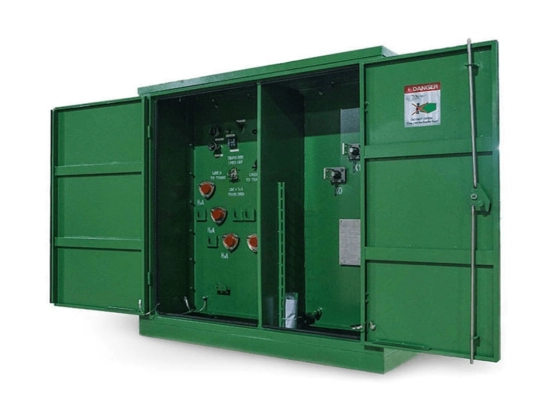
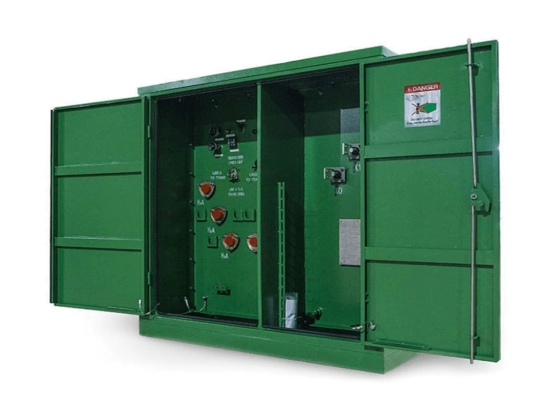
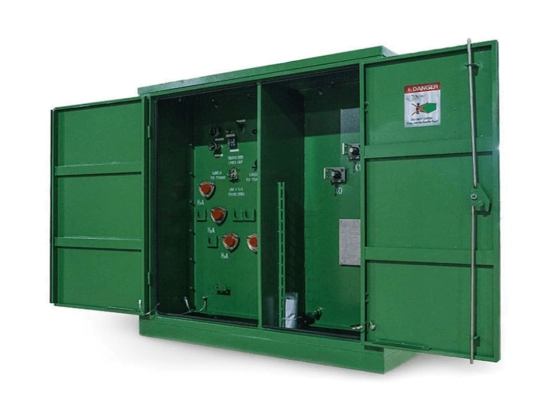
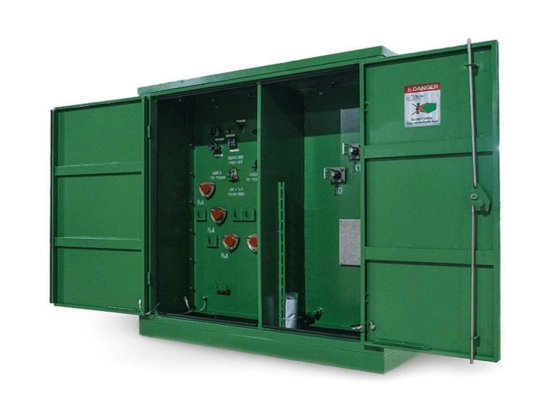
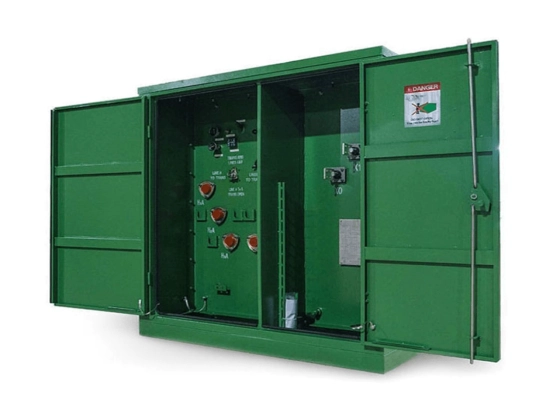
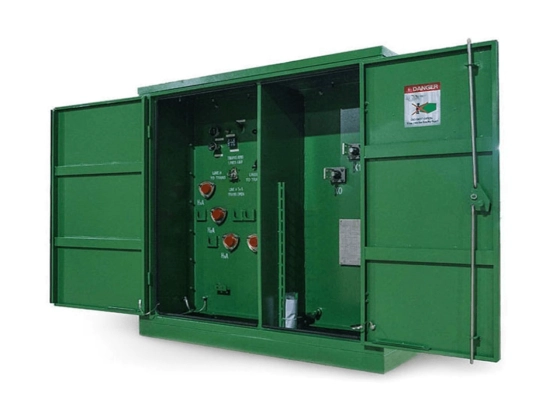
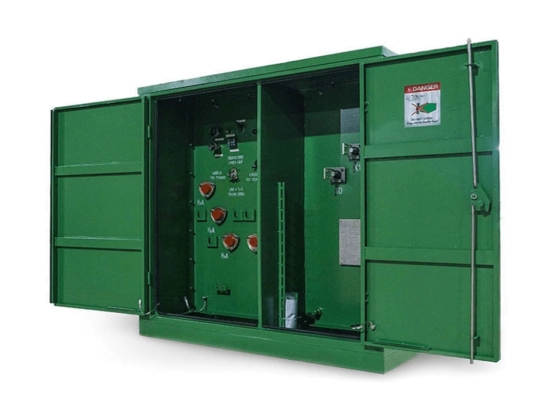
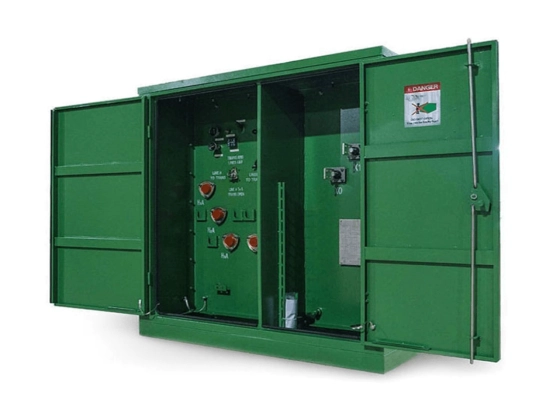
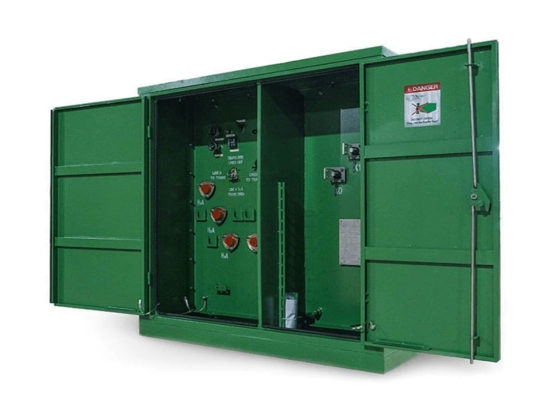
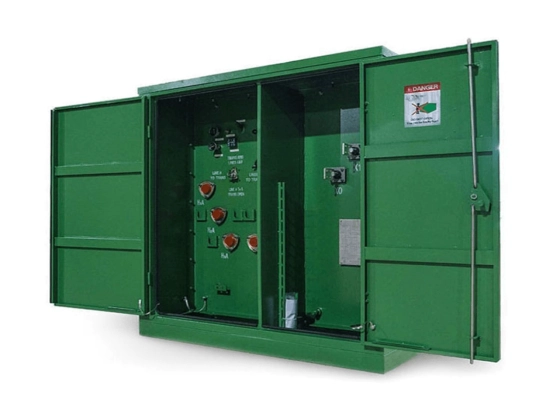
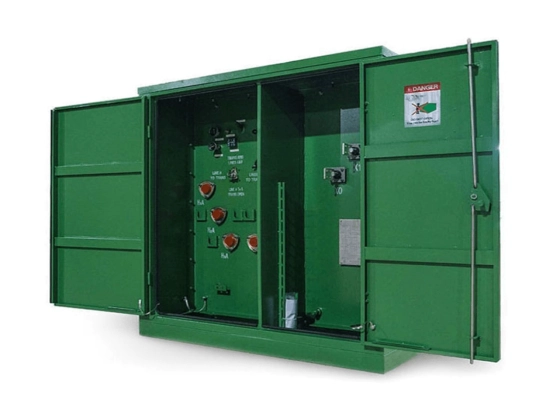
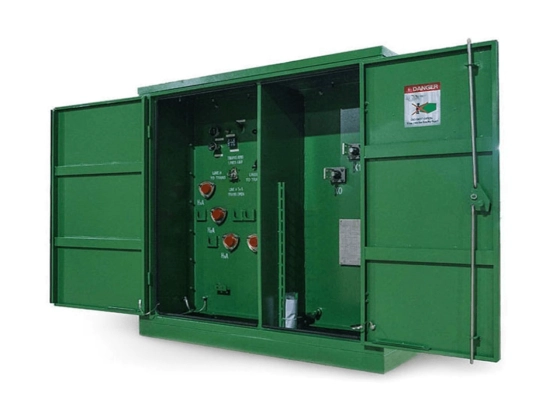
75 kVA Three-Phase Pad-Mount Transformer
- Cooling TypeONAN
- Primary Voltage2400-34,500 V
- Secondary Voltage208Y/120 V
- Frequency60 Hz
Three-Phase Transformer Manufacturer | Project Supply
Three-phase transformer models for utility, commercial and industrial distribution, with capacity and voltage matched to the project.
Find the right fit
Review the related models and published parameters below. If your voltage, capacity or installation condition is different, send the requirement directly to our engineering team.
Three-phase transformers
Why this solution
Three-phase transformers serve as the "backbone hub" of power systems. Specifically designed for three-phase alternating current (AC), they act as the "main force" in power generation, transmission, and distribution links. They can synchronously perform three-phase voltage transformation, providing crucial support for large-capacity electrical energy transmission. Typically, these transformers adopt a three-phase common iron core structure (primarily the three-phase three-limb type) and three sets of primary and secondary coils, supporting multiple wiring configurations such as star (Y) and delta (Δ) (e.g., Dyn11, Yyn0) to meet the phase and grounding requirements of different power grids. Medium and large-capacity transformers mostly feature an oil-immersed design and are equipped with protective devices like gas relays and pressure relief valves, while dry-type structures are often used for small-capacity or special application scenarios. In terms of performance, three-phase transformers offer advantages including large rated capacity (ranging from tens of kVA to hundreds of MVA), high efficiency (usually between 95% and 99.5%), and low cost per unit capacity; however, it is necessary to maintain three-phase load balance to avoid additional losses and performance degradation. Their main applications include step-up transmission in power plants (e.g., 10.5kV→220kV), multi-stage voltage reduction in substations (e.g., 220kV→10kV→0.4kV), as well as power supply for industrial high-power equipment (such as motors and compressors) and large-scale public facilities (such as airports and high-speed railway stations).
Typical project priorities
How ZBB supports the project
We start with three practical questions: what the transformer must do, where it will operate and what documentation the project requires.
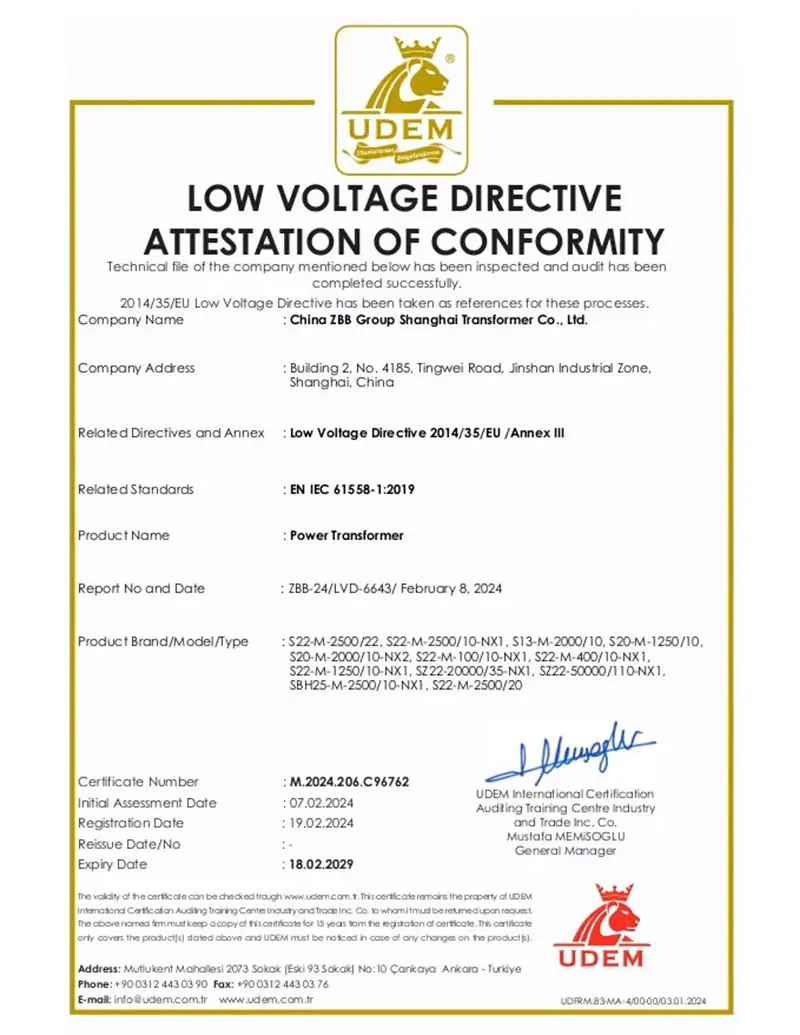
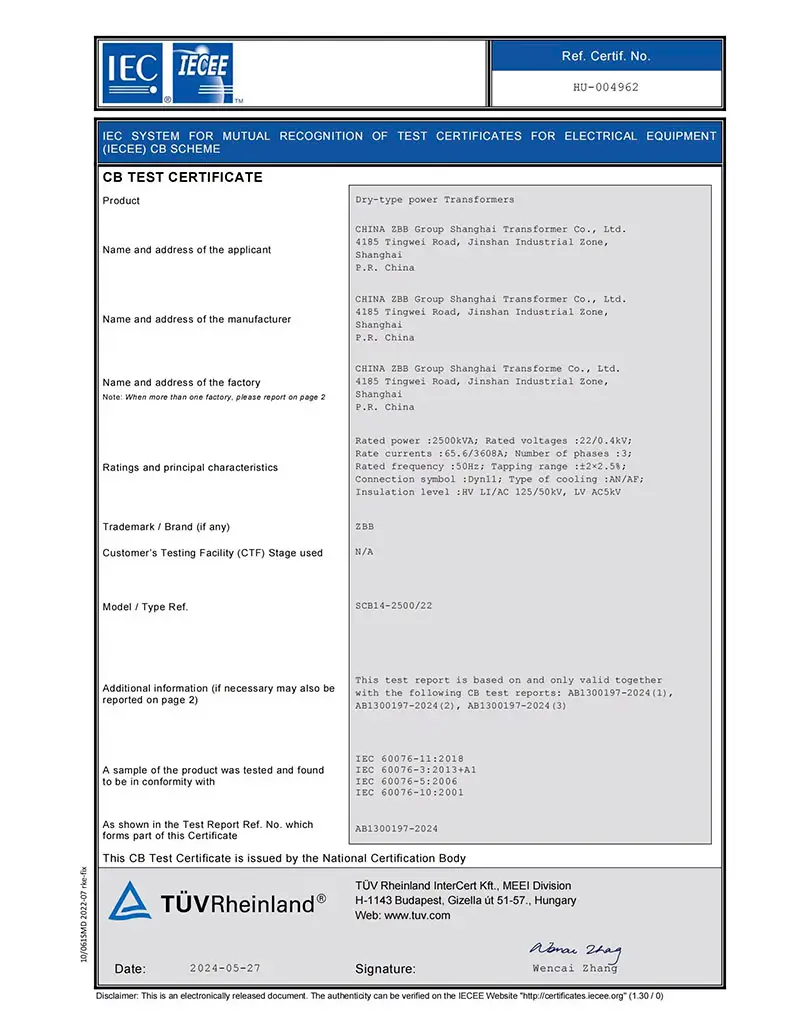
Remote guidance, comprehensive documentation, and third-party inspection support (e.g., SGS, BV, TUV) ensure peace of mind.
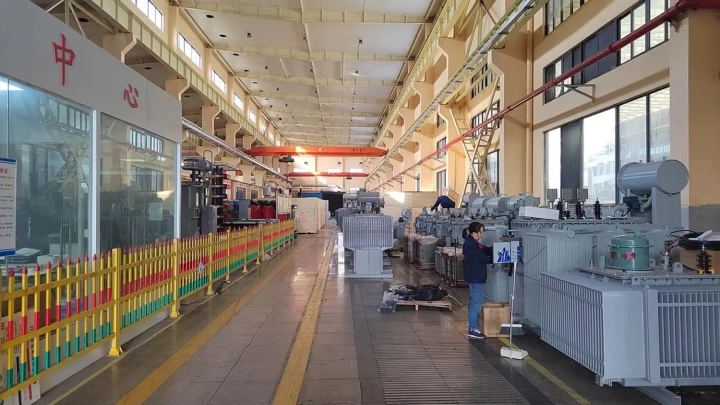
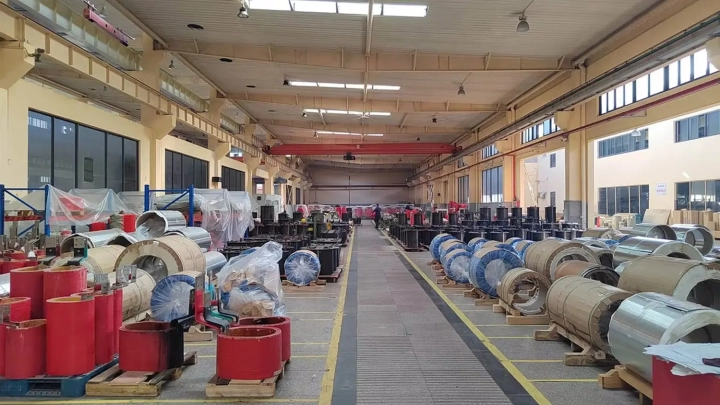
With complete production lines and mature procurement, we support urgent project delivery efficiently.
Quick feedback on technical drawings and quotations; prompt delivery of technical data after design confirmation.
We tailor size, wiring, and special structures (e.g., high altitude, extreme cold) based on customer drawings and usage scenarios.
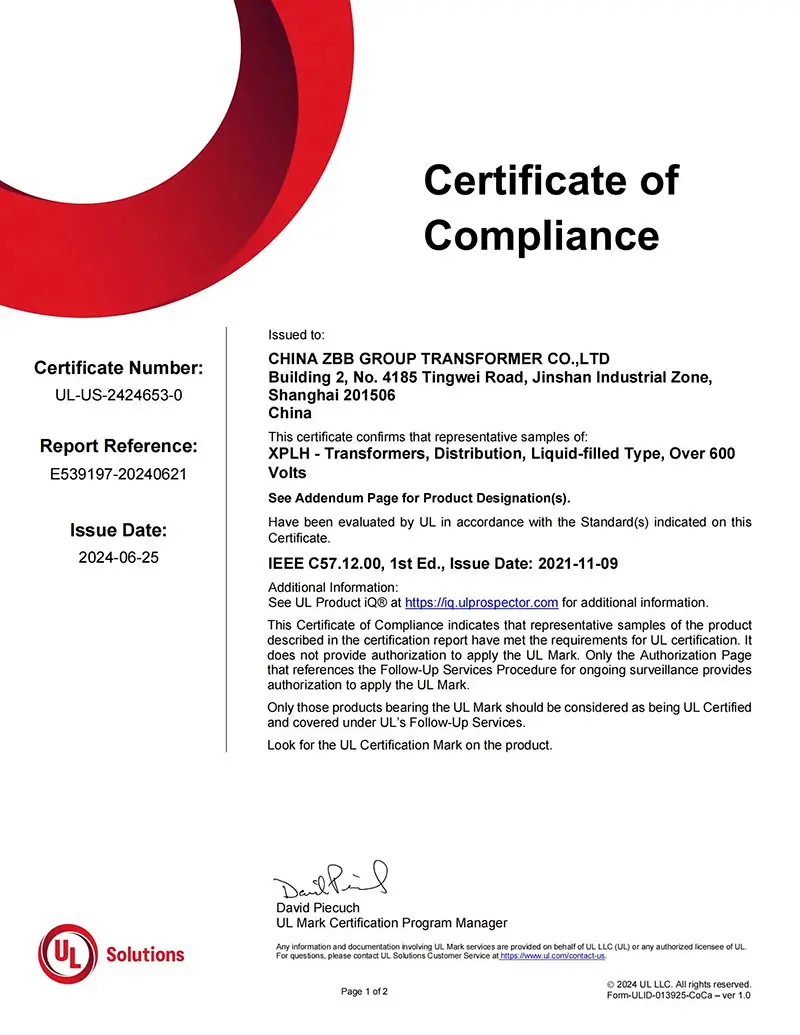
Review available certificates and ask which routine tests, standards and third-party witnessing options apply to your project.
Manufacturing visibility
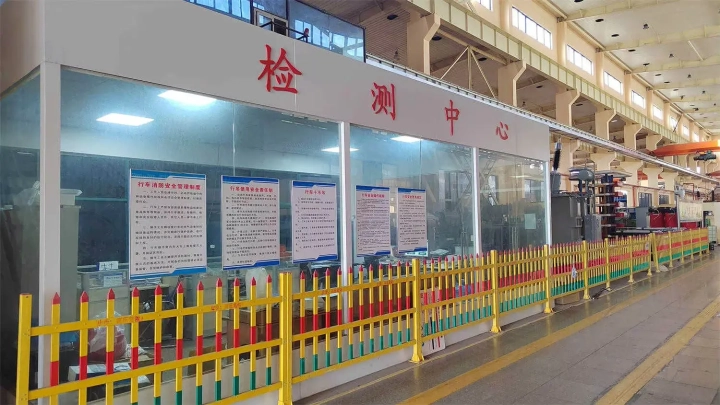
Winding, casting, curing and testing are coordinated with the technical documentation supplied for the project.
Explore ZBB GroupBefore you send an inquiry
If your question is not listed, include it in the message. Our team can address it together with the technical review.
Next step
Share the information you already have. A complete specification is helpful, but you can start with the transformer type, capacity, voltage and application.